
Rudrangshu Mukherjee
This book is a major achievement based on incredible research. A must read for anyone interested in the history of twentieth-century India and how common people made that history.
This book is a major achievement based on incredible research. A must read for anyone interested in the history of twentieth-century India and how common people made that history.
We should be beholden to Pramod Kapoor for telling the story from the perspective of the humble “ratings” who fought their battle, abandoned by some of our best-known freedom fighters who, like hardboiled politicians ready to take on the responsibility of ruling India, were unwilling to stall the transfer of power. This book is a challenge to us to take a second look at our
Thoroughly researched… an exciting account of what is commonly seen as a footnote in the history of theFreedom Movement
Pramod Kapoor’s remarkable research has shed important new light on a thrilling and critically important but partly-forgotten story, and does so with great flair and panache.
In recent years there has been a renaissance of botanical painting throughout India, with artists such as Hemlata Pradhan in Kalimpong, Nirupa Rao in Bangalore and Jaggu Prasad in Rajasthan, exhibiting around the world, and teaching botanical painting to a new generation, who are influenced by both Indian traditions and the modern European flower painting. Their work here demonstrates how the traditions begun in the
Two hundred years since the first botanical paintings were sent by ship from India to Kew Gardens, this book will be their first return to the subcontinent as a printed archive. In this sense, this small but significant volume is a giant step in the right direction. More than seventy years after gaining independence from the British Crown, the Indian post-colony inherited a hybrid botanical
A new generation of people living in the global village and with high expectations of a better life are no longer the willing slaves of government handouts, censored national media or the edicts of the politicians and agencies. They have developed a mind of their own. The basic issue is that the people crave peace and not hostility… In 2004, I sensed this public mood
India versus Pakistan is a contest between two countries, not two communities within India. It is not the Pentangular revived; India has never fielded an all-Hindu team, and even Islamic Pakistan these days cannot do without a Hindu leg-spinner. Coverage of these matches in communal terms is as reprehensible as covering them through military metaphors, a sin of which Indian and Pakistani journalists alike have
… two diplomats and cricket lovers look at… India-Pakistan cricket andthe attendant politics and tell it like they see it
…an engrossing story that captures, in fluent and moving prose, so many angles of Indian life – cricket, religion, love, dislocation, communal violence, ethics, values, and more – in language that is vivid and lyrical.
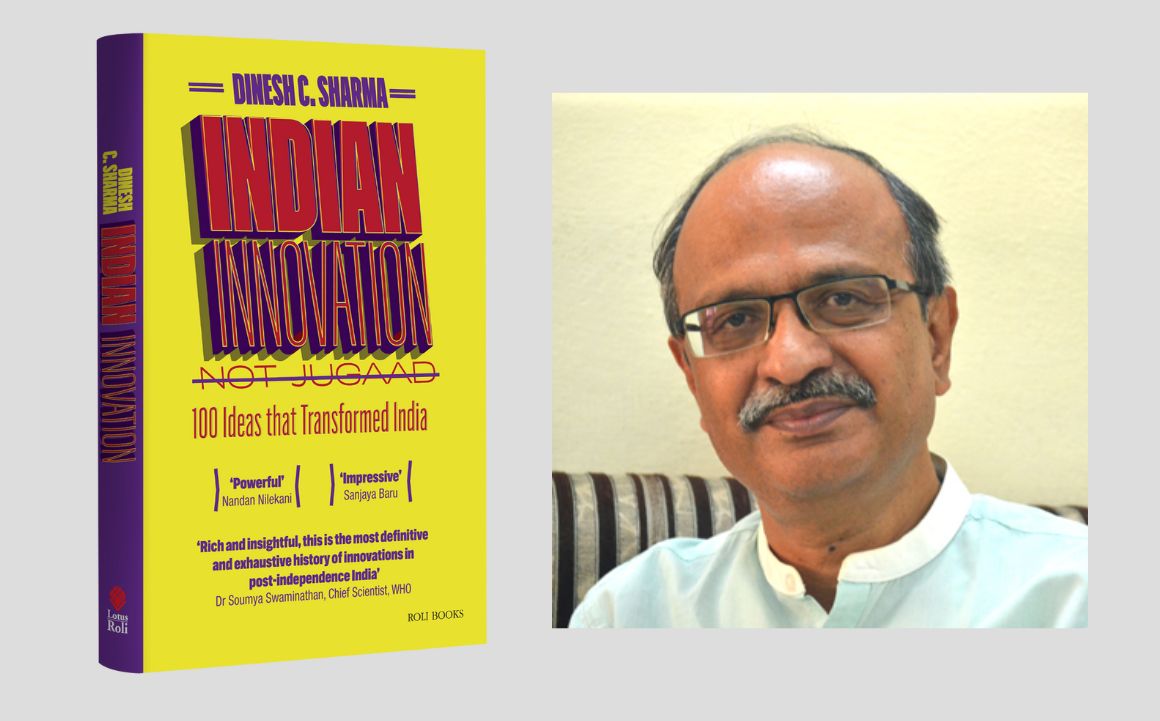
Recent years have seen several innovations in the banking and finance sectors. The use of technology-based applications has revolutionized these sectors and touched the lives
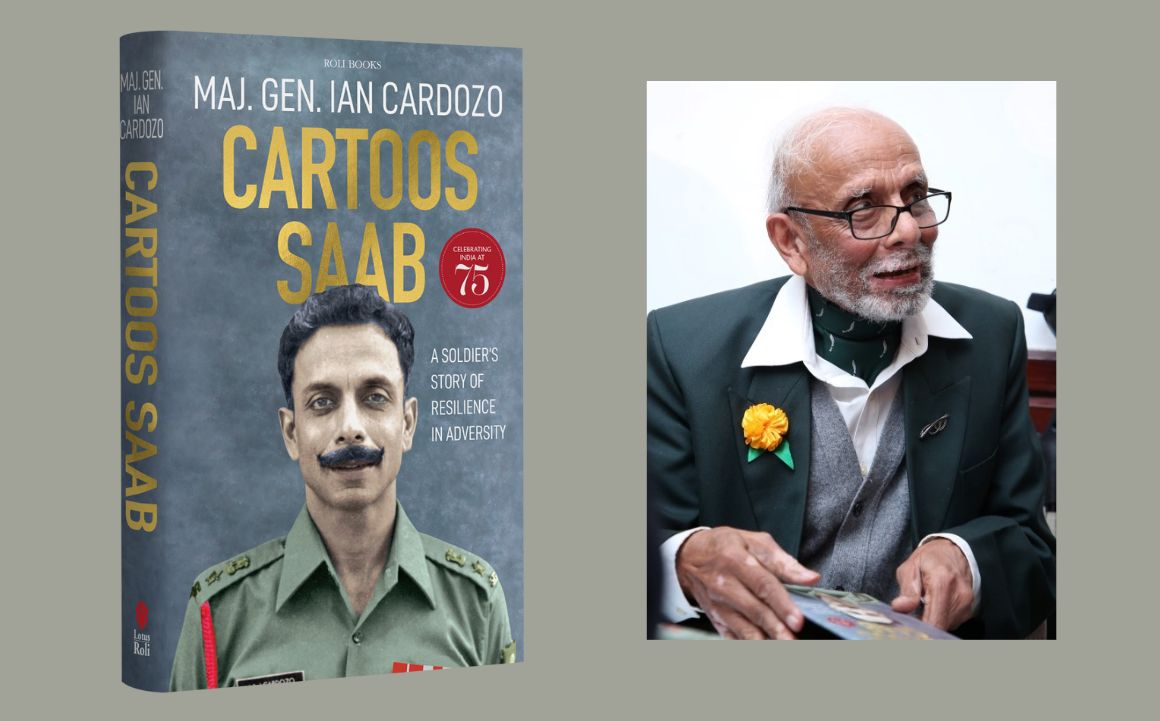
The next few days were spent looking at the enemy post from various vantage points but the pine trees blocked our view. The men had
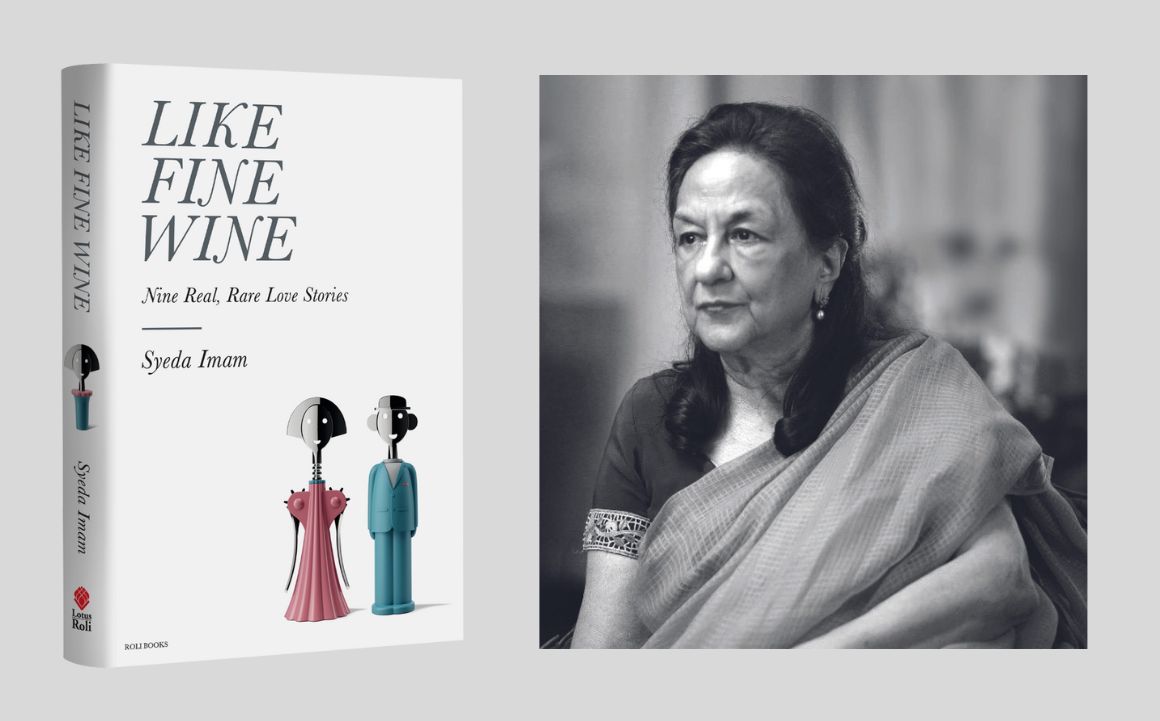
Syeda Bilgrami Imam is an award-winning writer and editor of The Making of Advertising (Macmillan), The Positive Side (Roli Books) and The Untold Charminar (Penguin).
Get our latest book recommendations, author news right to your inbox